Read or Jump On
Sensei López’s APE system
Extreme self-defense with Sensei López
Introduction
A few nights ago I accidentally came across a video on Facebook related to martial arts.
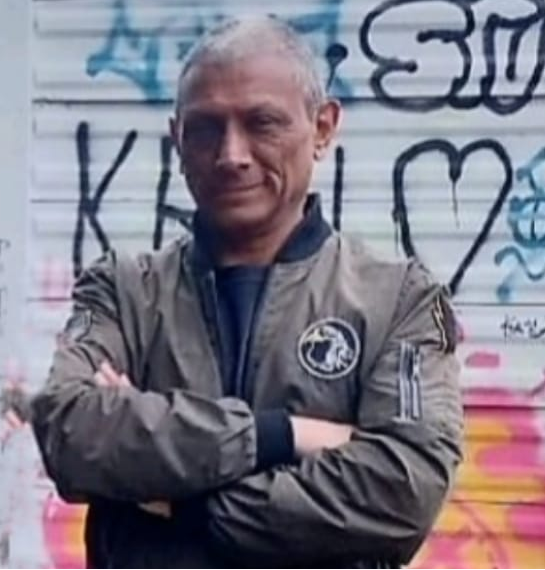
It was not a fighting or self-defense video but it piqued my interest and I went to visit the profile: Ape System (Master Instructor Sensei Pablo López)
Immediately my interest was piqued, post tactical combat, extreme defense, weapons, camouflage. Also, the profile is from Argentina where I think, especially in big cities, there is a high degree of potential risk.
The Argentine National Gendarmerie (Gendarmería Nacional Argentina in Spanish) is a military-ordered, gendarmerie-type police force,
Lately in the face of rampant crime in the city of Rosario, the Argentine government has passed measures that provide for a relaxation of the federal security forces’ rules of engagement, allowing greater license in the lawful use of firearms a measure that in effect gives more discretion to officers in reacting in the face of what they consider an “imminent danger,” but also in the case of resistance or escape.
I tried to send a message and ‘immediately found a lot of helpfulness in Sensei López who was precisely responding to me.
I then set up an interview with Sensei to learn about his experience and views on Self Defense.
The answers I received were from my point of view very interesting and full of details, so much so that you will notice that in the various chapters instead of creating lists I preferred to create sub chapters for easier reading and indexing.
Well I don’t want to bore you further and leave you to read this interesting new chapter on Self Defense and the APE System
Presentation
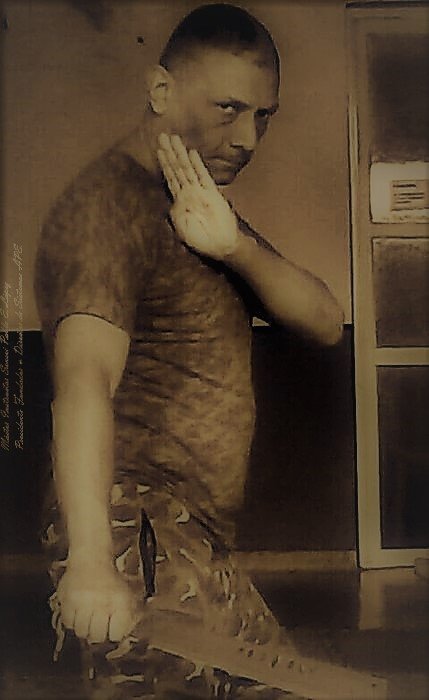
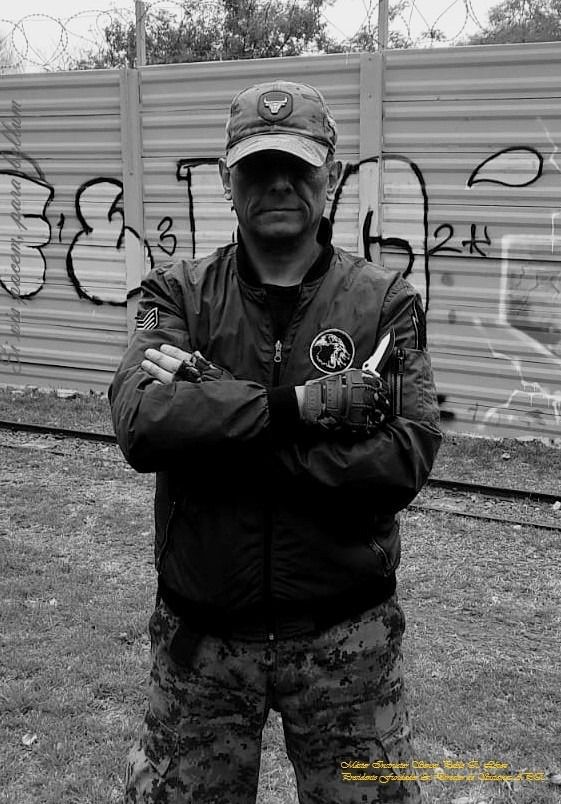
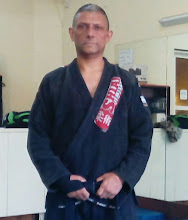
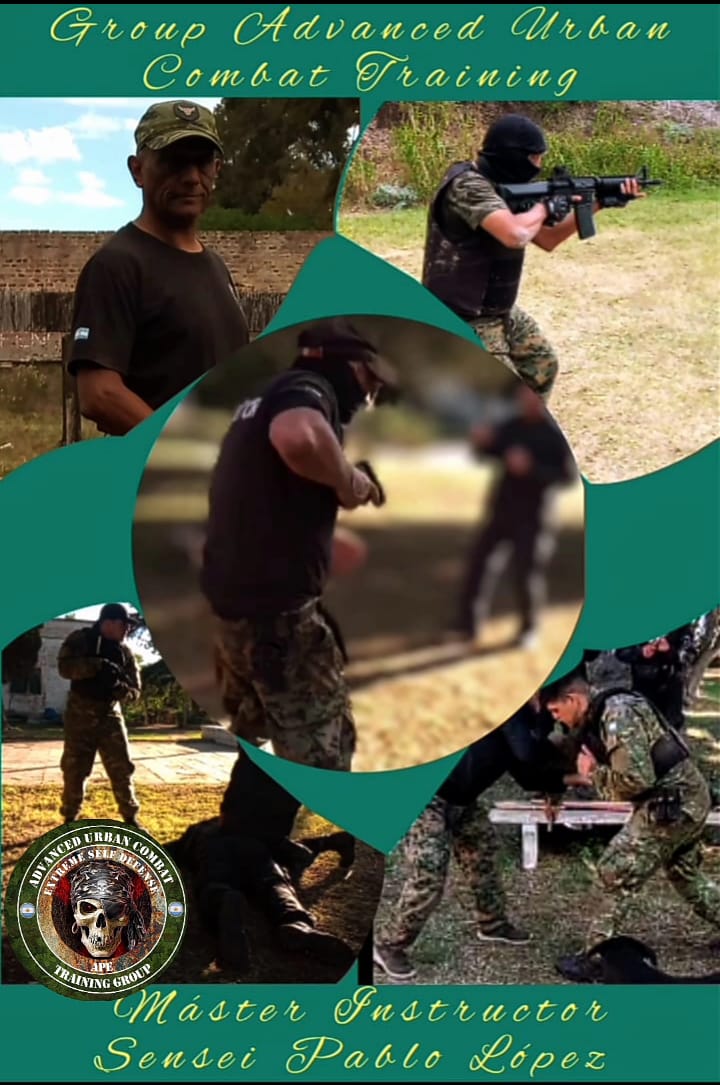
Sensei Pablo E. López
Master Instructor e Director de Sistemas APE
I would like to start by asking you to tell us a little bit about yourself, your martial path, and your experience in real or street combat.
The martial arts Journey
I started with Judo at the age of 8 and trained for a year. Then, at the age of 11, almost 12, I immersed myself in Japanese Karate Shudokan style, an art that had captured my imagination since childhood. After 10 years of dedication, I obtained my black belt of 2nd Dan, an achievement that surprisingly was awarded to me directly by an examination board composed of five masters of different styles of Karate from the F.K.R.A.
I continued to train and explore other styles of Okinawa Goju Ryu Karate, as well as dabbling in Kung Fu, Aikido, Brazilian Jiu Jitsu, Arnis (Filipino Kali) and Muay Thai, all under the tutelage of renowned masters. In addition, I have been practicing Zen meditation (zazen) for 10 years.
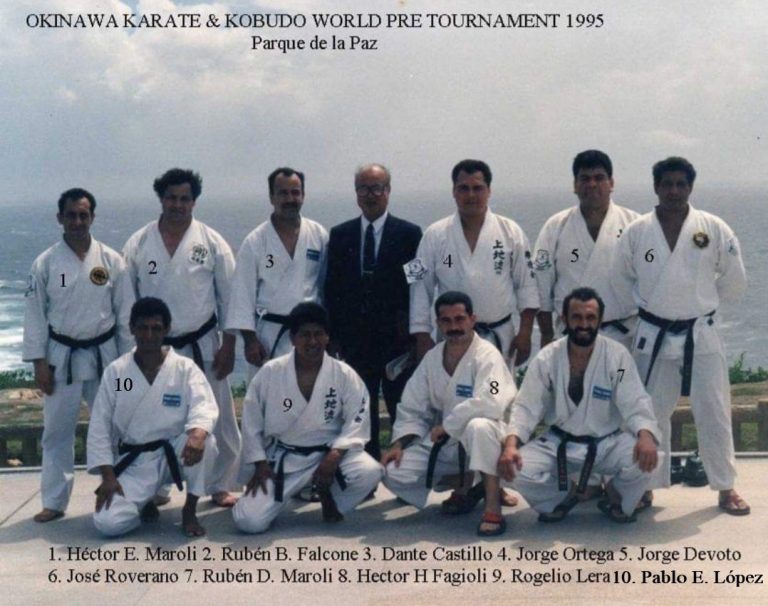
I had the opportunity to compete in Okinawa in the world karate and kobudo tournament, where I was a finalist. Later, I went to Taiwan because of my interest in internal practice.
Upon my return, I founded my own extreme self-defense system, the Sistema APE (Extreme Personal Self Defence), based on my extensive martial experience and background.
Subsequently, I delved into everything related to tactical defense.
The experience of combat
As far as actual fighting or street confrontations are concerned, I have always prioritized prevention and care to avoid conflict.
Personally, I believe that the desire to show what one knows is part of the ego and makes us vulnerable and weak. This realization has taken years of reflection. On very few occasions and a long time ago, I was forced to resort to violence. After that experience, I decided that I would never again allow anger to control me and decided to channel any potential violence through training or meditation, recognizing the responsibility that comes with mastering martial skills.
As for actual confrontation or street fighting, I have always chosen to avoid conflict. My main approach has been and continues to be prevention and awareness, with the goal of preventing the situation from reaching the point of confrontation.
As one Master wisely said, those who have practiced Karate and never needed to use it have truly understood the true purpose and essence of Karate.
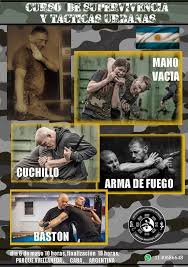
The APE system
You founded the APE system, which you write is one of the most effective systems for true self-defense on the street; it is accessible to everyone.
Can you explain in a few words what it is and why you call it one of the most effective?

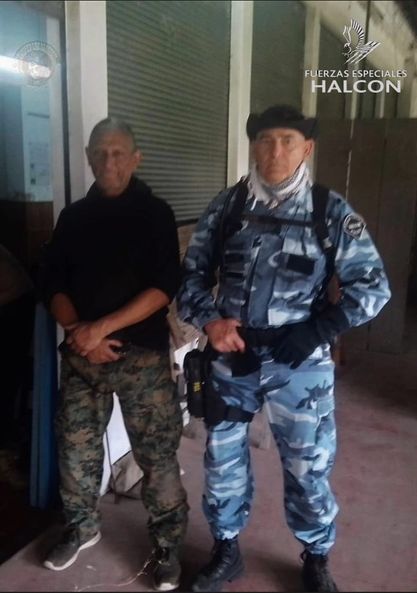
The Sistema APE, I founded after my return from Taiwan, is based on the combination of my experience in Karate, along with other martial disciplines, contact sports, and tactical defense (civilian, police, and military). This fusion of systems, developed in collaboration with elite Special Forces teachers and trainers, such as the HALCÓN Group and GEOF, makes it a holistic and highly effective system. Its direct, no-nonsense approach makes it a powerful option for real self-defense in high-risk, everyday situations.
Furthermore, I am committed to making the APE system accessible to everyone, as I firmly believe that everyone should have the opportunity to learn how to protect themselves in any situation.
Note:
The two most renowned Police Special Forces in Argentina: Lic. Daniel A. Abaca, former Chief Leader of the HALCÓN Group,’ a special operations division of the Buenos Aires Province Police, Argentina.
Claudio L. Fernandes, GEOF. Former Instructor of the Federal Special Operations Group (GEOF).
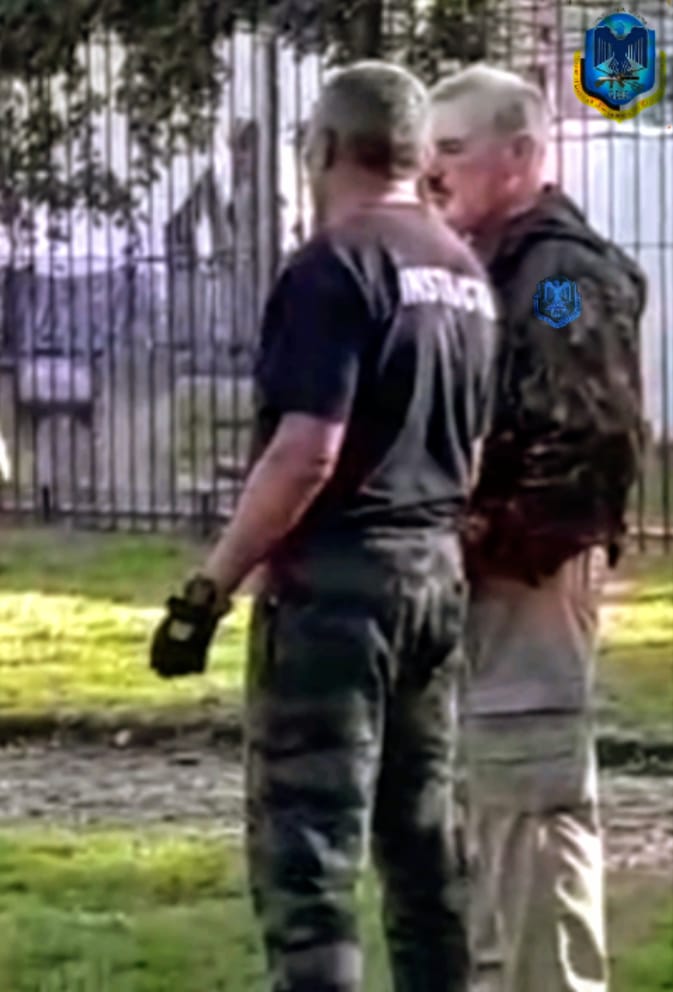
Let’s go into more detail and see with Sensei Pablo E. López – Director de Sistemas APE – his views on Self-Defense
Self-defense, What makes a course effective?
It would be interesting to know your views on what self-defense really is versus what is generally taught in gyms.
Self-defense is the set of actions a person takes to protect himself or herself from imminent danger or a threatening situation. It can include both physical and psychological measures and aims to preserve the individual’s physical, emotional and/or mental integrity.
Effectiveness and realism depend essentially on the Master or instructor teaching the class or course, his or her lineage, experience, background, knowledge, and actual basis.
What makes a self-defense class effective?
An effective self-defense course generally includes several key components:
Practical techniques
Teaching realistic physical and mental skills that can be applied in real danger situations.
Focus on prevention
Education on how to avoid risky situations and how to recognize signs of potential danger.
Confidence building
Helping participants increase their self-confidence and ability to cope with dangerous situations.
Realistic training
simulating dangerous situations to practice skills learned under pressure and controlled stress.
Situational Awareness
Teaching to remain alert and aware of surroundings to avoid being caught in an attack.
Emphasis on safety
teaching how to defend oneself without putting oneself in further danger and how to seek help if needed.
Emotional support
provide a supportive environment in which participants feel safe to express their concerns and fears related to self-defense.
In short, an effective self-defense course combines practical techniques with instruction, realistic training, and emotional support to enable participants to protect themselves effectively in dangerous situations.
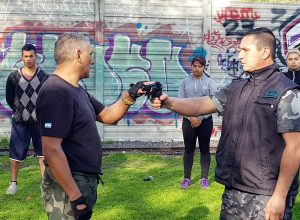
Self-defense, the most suitable martial art
For self-defense do you think there is one martial art more suitable than others? Why?
The effectiveness of any martial art in terms of self-defense depends largely on several factors, including the context, the practitioner’s abilities, and the specific situation. There is no single martial art that is inherently superior for self-defense in all circumstances. However, some martial arts tend to focus more on the practical aspects of self-defense and may be better suited to certain people or situations.
It is important to remember that effective self-defense is not limited to the mastery of a single martial art.
Combining different techniques from various disciplines may be more beneficial to adapt to a variety of situations. In addition, constant practice, development of situational awareness, and the ability to handle stress are crucial aspects of self-defense, regardless of the martial art practiced.
Women and self-defense
We know that women by nature are not predisposed to combat and violence.
Do you think there is a need for a specific training method for women?
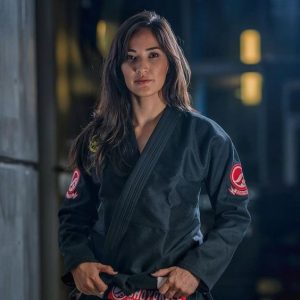
While it is true that women may have biological and cultural tendencies that keep them away from combat and violence, this does not mean that they cannot learn to defend themselves effectively.
A women-specific approach to training can be beneficial for a number of reasons:
Consideration of physiology
differences in strength, stature, and body mass can influence which self-defense techniques are most effective for women.
Empowerment
focusing on women’s specific needs and concerns can help increase their confidence and self-esteem, which is critical for self-defense.
Teaching adapted techniques
some techniques may be more effective for women in specific situations, such as defending themselves against larger attackers or using self-defense tactics in everyday settings.
Create a safe environment
a training environment designed specifically for women can make them feel more comfortable and safe in learning and practicing self-defense skills.
However, it is important to note that not all women are the same and some may prefer to train in mixed environments or follow a more generalized training approach.
Ultimately, the most important thing is that the training method promotes safety, confidence, and the ability to respond effectively in dangerous situations for all individuals, regardless of gender.
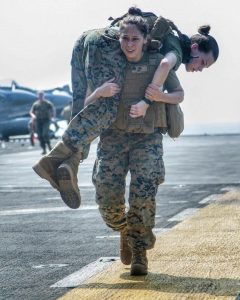
Atltetic preparation
Is it important to have athletic training?
Yes, athletic training can be important in self-defense, although it is not the only determining factor. Here are some reasons why athletic training can be beneficial:
Improving physical fitness
Being physically fit can increase strength, endurance, and agility, which can be useful in self-defense situations where physical action is required.
Increased ability to perform
good athletic training can enable you to perform self-defense techniques more effectively and with greater control.
Reduced risk of injury
Being physically fit can help reduce the risk of injury during a violent encounter because strong, flexible muscles are less prone to injury.
Increased self-confidence
Being physically fit can increase self-confidence, which can be beneficial when facing dangerous situations.
However, it is important to note that athletic training is not the only factor that determines the effectiveness of self-defense. Proper technique, the ability to make quick decisions under pressure, situational awareness, and the ability to manage fear and stress are other crucial aspects. Moreover, effective self-defense can be achieved by people with different levels of physical fitness, provided they have the right skills and mindset.
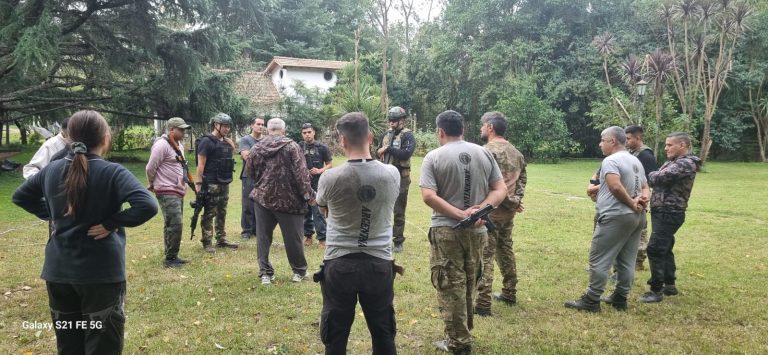
Psychology Preparation
Is the psychological preparation important?
Yes, psychological preparation is crucial in self-defense:
Controlling emotions
The ability to control emotions, such as fear or anger, is crucial in self-defense situations.
Psychological preparedness can help keep calm and make rational decisions under pressure.
Situational awareness
Being psychologically prepared means having an acute awareness of the environment and warning signs.
This allows one to anticipate risky situations and take preventive measures.
Self-confidence
psychological preparedness can increase self-confidence, which is essential for acting decisively and effectively in confrontational situations.
Resilience
the ability to recover quickly from adverse situations is important for self-defense.
Psychological preparation can strengthen emotional resilience and enable one to cope better with challenges.
Decision making.
In dangerous situations, it is critical to make quick and effective decisions.
Psychological preparation can help develop decision-making skills under pressure.
In short, psychological preparedness is essential to complement physical preparedness in self-defense. It helps maintain calmness, concentration and the ability to react quickly and effectively in dangerous situations.
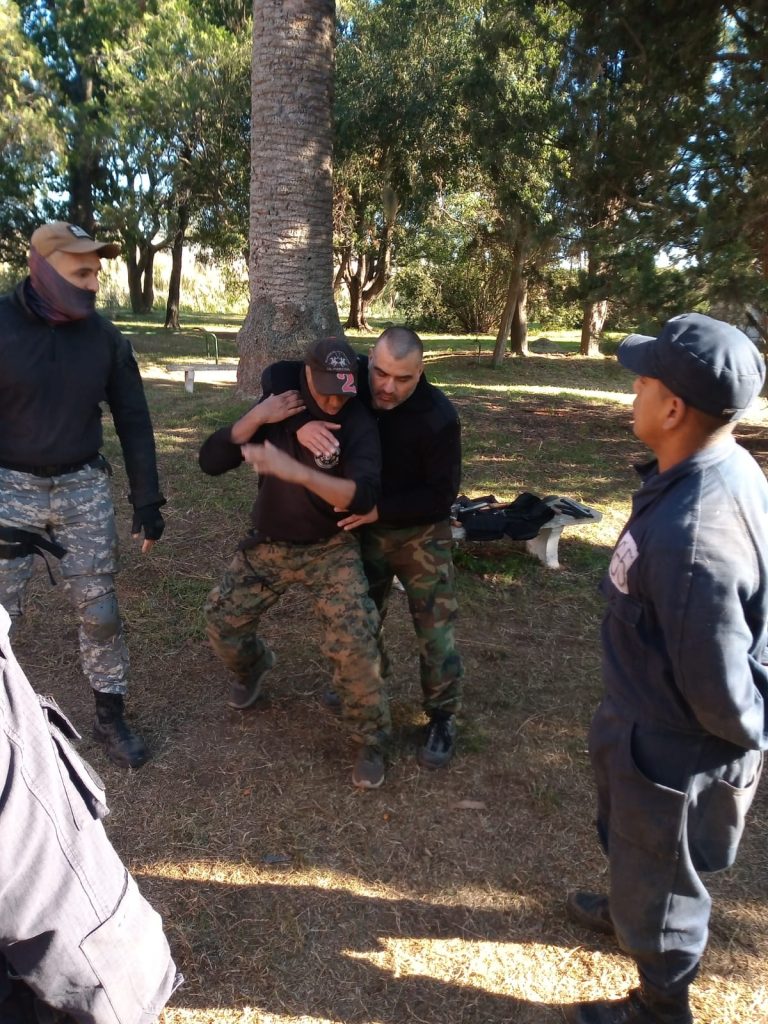
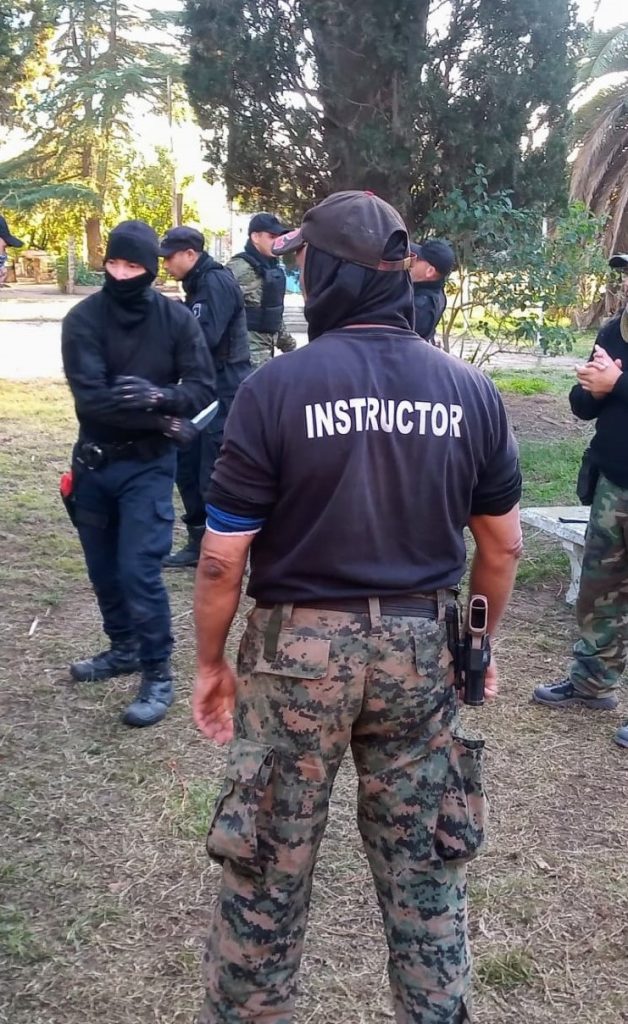
Self defense, the main techniques
What are the main techniques to be known?
Specific techniques to learn for self-defense may vary depending on context and personal preference, but here are some common techniques that are often useful:
Basic strikes
include punches, kicks and elbows that can be effective in knocking out an attacker.
Defense from grappling
Learn how to free yourself from holds such as those on the wrists, hands and clothing.
Ground defense
defense and escape techniques if the fight ends on the ground, such as positioning moves and basic submissions.
Blocking
learning to block and deflect the attacker’s blows to minimize damage.
Spacing
know how to maintain a safe distance from the attacker and how to use space to avoid being trapped.
Disarming techniques.
if the attacker is armed, learn how to disarm him safely and effectively.
Nonviolent communication.
Knowing how to communicate effectively to deter the attacker and seek help.
These are just some of the basic techniques that can be learned in a self-defense course. It is important to practice regularly and adapt the techniques to specific situations to increase the effectiveness of self-defense.
Self-defense, the role of ground combat
Is it important to know about ground fighting?
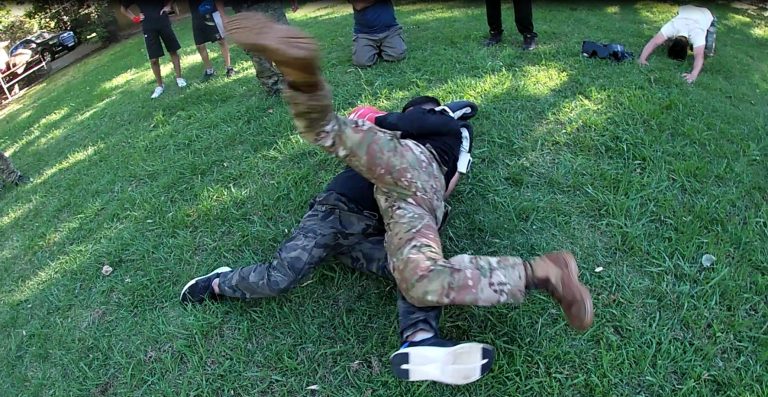
Yes, although ground contact should be avoided, knowing ground fighting techniques is important for self-defense for a number of reasons:
Common scenario
in many instances of physical confrontation, especially in street or personal attack situations, the fight is likely to end on the ground. Therefore, it is critical to know how to defend yourself and stay safe in such a situation.
Potential disadvantage
If you find yourself on the ground during a confrontation and do not have ground fighting skills, you are at a significant disadvantage. Knowing basic ground fighting techniques can help level the playing field and increase your chances of escape or defense.
Controlling the situation
By learning ground fighting techniques, you also learn to control the situation and keep the attacker in check, which can be critical to your safety.
Many ground fighting techniques focus on self-defense and the ability to neutralize an attacker without causing serious harm.
Confidence
knowledge of ground fighting techniques can increase confidence in one’s ability to protect oneself in various confrontational situations.
In summary, knowledge of ground fighting techniques is an integral part of a comprehensive self-defense program and can be critical to staying safe in real danger situations.
Self-defense, defending against a knife
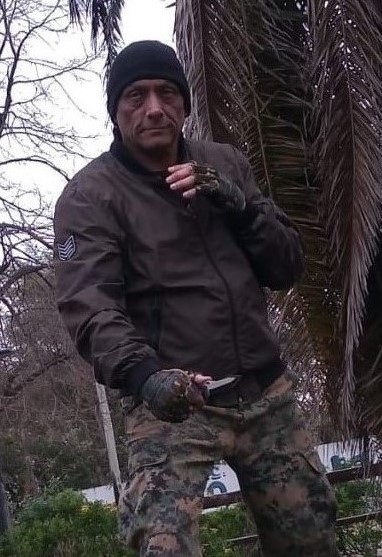
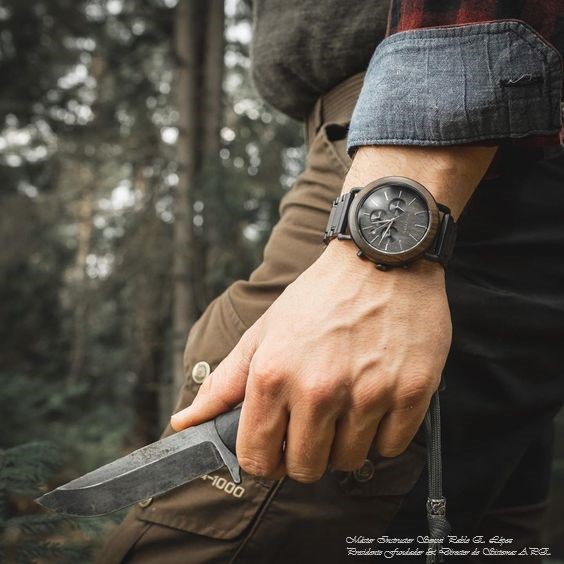
We come to one of the topics that particularly attracted me to your profile, knife advocacy in which you are a specialist. In this regard, you were also interviewed by Channel Playing with the blade and we find his videos on the channel Lies and Truth about Martial Arts the official YouTube channel of the German magazine “World of Martial Arts“.
On the knife we see many proposed techniques that from my point of view are nice to see but not applicable in real situations.
I am not a knife expert and perhaps that is also why I am skeptical about methods of defense and disarmament in an urban or civilian context. It is a different matter if we are talking about military personnel who are instead trained in combat because it is their job.
What to do if the attacker is armed with a knife?
The issue of defense against a threat or knife attack is complex.
In situations where the attacker is armed with a knife, it is important to prioritize personal safety and seek strategies that maximize the chances of getting out of the situation unharmed.
Here are some general guidelines that may be helpful:
Remain calm
It is critical to remain calm and try not to panic. Keeping a clear mind will enable you to make more effective decisions and respond appropriately to the attack.
Create distance
If possible, try to create distance between you and the armed attacker. This will give you time to assess the situation and look for a safe exit.
Seek help
If you are in an urban or civilian environment, seek help immediately. Shout for help (fire) or look for someone nearby who can intervene or call the authorities.
Do not challenge the attacker
Avoid unnecessary confrontations or attempt to disarm the attacker unless you are sure you can do so safely. It is better to try to escape even if it is not that easy or to seek help than to confront the armed attacker directly.
Use objects as a barrier
If you have access to objects that can act as a barrier or shield, use them to protect yourself from the knife attack while you look for a safe exit.
Be prepared to defend yourself
if there is no other choice and you are attacked with a knife, try to defend yourself with whatever methods are available. For example, blocking attacks with your hands, arms or any other object nearby and trying to escape or disarm the attacker if you can do so safely.
Ultimately, every situation is unique and there is no one-size-fits-all response to dealing with a knife-wielding attacker. The most important thing is prevention and care, prioritizing one’s own safety and seeking the best option available at that time to protect oneself and others.
The effectiveness of the defense will depend on the fitness of the individual.
Self-defense, tips
In conclusion, some rules/suggestions for knowing how to defend yourself.
Prevention, mindfulness, expecting the unexpected, training with the right people.
Keeping calm
Calm is essential in dangerous situations. Try to control emotions and keep a clear mind to make effective decisions.
Prioritize safety
Your safety is the most important thing. Avoid unnecessary confrontations and seek options that minimize the risk of injury.
Know your surroundings
Maintain high situational awareness and look for safe exits or nearby help in case of an emergency.
Trust your instincts
if something makes you feel uncomfortable or unsafe, trust your instincts and take steps to protect yourself.
Seek help
If you are in danger, seek help immediately. Do not be afraid to ask others for help or to contact the authorities if necessary.
Learn basic self-defense techniques
Know some basic self-defense techniques, such as basic strikes, blocks and ways to escape grapples. Practice them regularly to keep them in mind.
Avoid being caught off guard
Always remain alert and aware of your surroundings to avoid being caught by surprise.
Be aware of consequences
In a self-defense situation, understand the possible consequences of your actions and act proportionately, but if your life, your family’s life, or the life of a third person is in danger, WIN! Regardless of the form or medium used, the priority is you!
Remember that effective self-defense is a combination of physical, mental and emotional preparation. Keep training and practicing to increase your safety and confidence in potentially dangerous situations.
Conclusion
I am personally very satisfied with the answers I received from Sensei Pablo E. López.
His answers gave a clear and complete vision of what is contained in the topic of Personal Defense and the differences compared to a martial arts course.
His answers were not telegraphic but he provided a rationale for each aspect taken into consideration and even in some cases he himself summarized the topic in a few words.
An effective self-defense course combines practical techniques with education, realistic training and emotional support to enable participants to effectively protect themselves in dangerous situations.
It is important to remember that effective self-defense is not limited to mastering a single martial art. A statement that is very reminiscent of Bruce Lee’s concept of real combat with Jeet Kune Do.
Knowledge of ground fighting techniques is an integral part of a complete self-defense program and can be essential to staying safe in real danger situations.
Furthermore, once again it has emerged that psychological preparation is essential to integrate physical preparation in self-defense. It helps maintain calm, concentration and the ability to react quickly and effectively in dangerous situations.
With Sensei Lopez we addressed the defense against a knife threat in more detail and here too the first general line is to stay calm. Although this may be difficult to implement, it is certainly one of the aspects that can make the difference between surviving an attack or not. An aspect that we also find among the first suggestions on how to defend oneself.
Once again we read that those who are expert in fighting try to avoid it knowing that in a fight they always lose even when they emerge victorious. Furthermore, it is important to know how to put the ego aside, run away and ask for help.
Remember that effective self-defense is a combination of physical, mental and emotional preparation. Continue to train and practice to increase your safety and confidence in potentially dangerous situations. (Sensei Pablo E. López)