

Read or Jump On
Real Self-Defense: A Complete Guide to Awareness, Technique, and Professional Coaching
Introduction – Why a Guide to Realistic Self-Defense
Self-defense is an essential skill in modern society, but it is also one of the most misunderstood topics. It is often reduced to a set of spectacular techniques or “quick” courses that promise immediate safety. In reality, true self-defense is a structured process that combines mind, body, strategy, and legal awareness.
Many believe that learning a few moves is enough to be able to defend themselves effectively, but the truth is that personal protection requires an understanding of human dynamics, mental control, and realistic training.
This guide has two objectives:
- to offer a clear and concrete summary of the main topics covered in the Self-Defense section of the Marco Safe&Fit blog;
- to present the working method I apply as a coach, based on realism, prevention, and adaptability to everyday life.
If you are looking for a serious approach, far from myths and close to reality, you are in the right place.
What Self-Defense Really Is (and What It Isn’t)
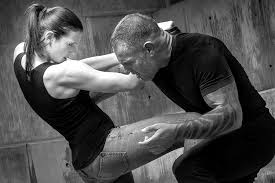
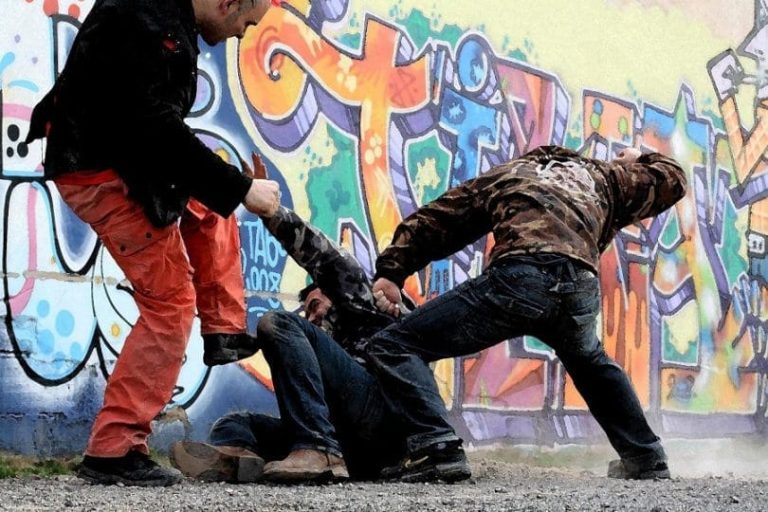
Realistic self-defense is not the same as combat sports, nor is it about “winning a fight.” Its main purpose is to get home safely, minimizing physical, psychological, and legal risks.
Self-defense is the ability to respond to an attack by protecting oneself without being overwhelmed by fear, anxiety, or panic. This ability is built through experience, physical and mental training, and understanding how predators and violent dynamics really behave.
In my work as a coach, self-defense is approached as:
- the ability to prevent dangerous situations;
- the ability to manage stress and fear;
- the use of simple, functional, and verifiable techniques;
- knowledge of the legal limits of self-defense.
Training only on techniques, without working on these aspects, creates a dangerous illusion of safety.
The Psychology of Self-Defense: The True Front Line
Stress, Fear, and Automatic Reactions
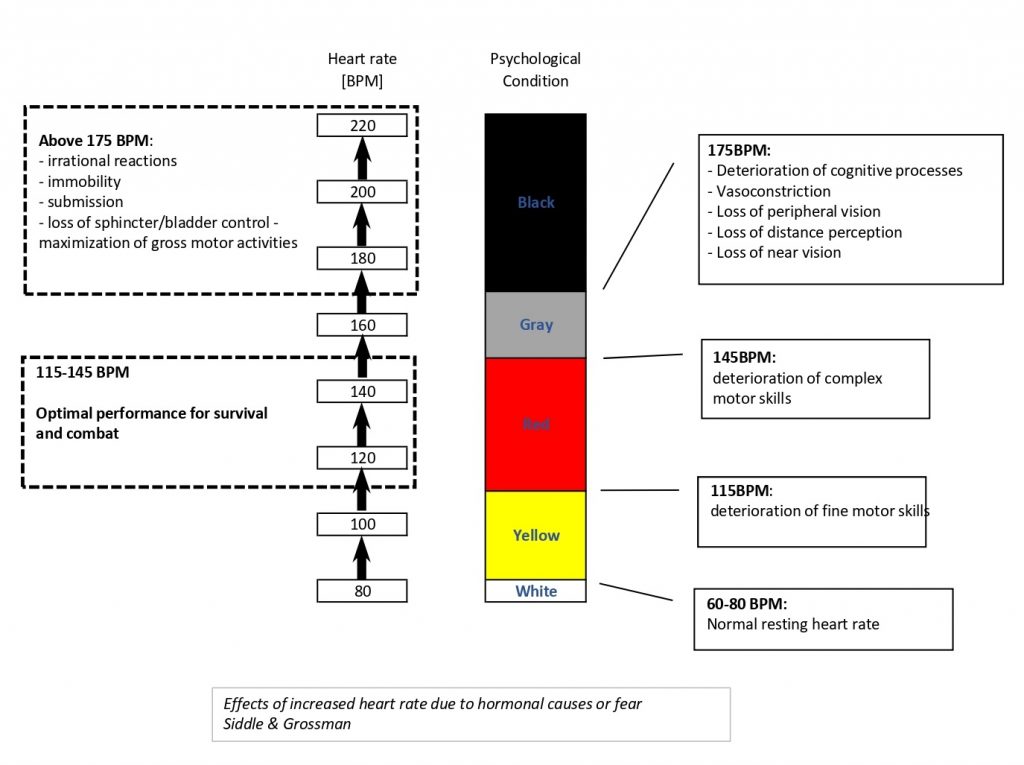
In a real-life assault situation, the body reacts before the mind.
One of the most often overlooked aspects is mental preparation.
Tachycardia, stiffness, loss of coordination, and tunnel vision are normal responses. This can make it difficult, or even impossible, to perform even seemingly simple actions such as calling for help.
The problem is not experiencing these reactions, but being unprepared to manage them.
These are natural physiological responses and must be managed and trained, not ignored. Psychological training, such as tactical breathing and stress simulation during self-defense drills, helps to maintain clarity in real situations.
In the Marco Safe&Fit method, psychological preparation is central. I work on:
- breathing management;
- clear decision-making under stress;
- recognition of danger signals;
- control of anticipatory anxiety.
Situational Awareness and Prevention
The best self-defense is to avoid confrontation.
Training yourself to be aware of your surroundings, people, and social dynamics often allows you to interrupt a chain of events before it escalates.
Understanding nonverbal cues, suspicious behavior, and potentially risky situations can often prevent an attack before it even begins.
Martial Arts, Combat Sports, and Reality
This was the title of one of my first articles on the subject of self-defense, which I republished when I started my blog.
One of the most common questions is: “What is the best martial art for self-defense?”
The honest answer is: it depends on how it is taught.
Questo e’ stato il titolo di uno dei miei primi articoli sull’argomento difesa personale, articolo che ho pubblicato nuovamente quando ho aperto il blog.
Una delle domande più comuni è: “Qual è l’arte marziale migliore per difendersi?”
La risposta onesta è: dipende da come viene insegnata.
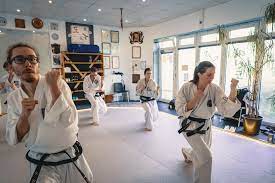
No martial art is automatically effective.
According to experts, there is no martial art that is absolutely “better” than another. Effectiveness depends on the context, the teacher, and the teaching method, not just the name of the discipline.
The Limits of Traditional Training
Many disciplines are excellent for physical and technical development, but often:
- they operate in controlled environments;
- follow precise rules;
- do not consider stress, surprise, and chaos.
No Martial Art Is Perfect for All Scenarios
Sports disciplines such as Judo, Karate, Boxing, and MMA teach important skills such as distance, balance, strength, and strategy. However, lessons are conducted in a controlled environment, with rules and protections, which do not reflect the complexity of a real attack.
The Integrated Approach to Coaching
In my work as a coach, I integrate:
- principles of martial arts and combat sports;
- realistic scenarios;
- management of different distances (standing, clinch, ground);
- use of the urban environment;
- escape and disengagement strategies.
These components help prepare you not to win a fight, but to stay alive.
The goal is not to create fighters, but more aware, prepared, and responsible people.
Interviews and Testimonials: Lessons from the Real World
The Marco Safe&Fit blog features contributions from professionals with different experiences and perspectives. These testimonials reinforce a key message:
reality does not forgive improvisation.
Alessio Sakara: combat experience
Alessio Sakara, a well-known martial artist and professional fighter, shared his views on self-defense. His main opinion is that there is no universal technique, and that the importance lies in the quality of teaching and understanding real situations of aggression.
Master Clod – Realism and Decision-Making
Master Clod’s reflections highlight a fundamental point: self-defense is not a fixed sequence of techniques, but a decision-making ability under pressure. Real experience teaches that simplicity, adaptability, and timing matter more than technical complexity.
Master Clod emphasizes the importance of having a realistic and non-idealized view of physical conflict.
According to Master Clod, a serious practitioner must be able to quickly assess a threat, react decisively, and choose the safest option, including escape or negotiation when possible.
These considerations help to overcome the idea that self-defense is only physical combat, and bring it back to the level of personal survival and decision-making skills.
Sensei López – Extreme Self-Defense and Adaptation
Sensei López’s contribution addresses the topic of self-defense in extreme contexts, where stress, aggression, and unpredictability are high. The message is clear: without mental preparation and realistic scenarios, even the best techniques fail.
Sensei López analyzes a more intensive and realistic approach to real self-defense, often with techniques adapted to “extreme” situations that could occur in everyday life.
Cristiano Greco: method and effectiveness
Cristiano Greco points out that what makes a self-defense course effective is the constant verification of the effectiveness of the techniques learned, outside the comfort zone, in variable scenarios. It is not enough to learn mechanical sequences: you have to be able to apply them in real contexts, under stress.
Greco also reiterates that it is not the discipline itself that makes the difference, but the learning method and the mental attitude of the practitioner.
Specialized approaches: Fight Like a Girl
The blog also includes articles dedicated to more specific approaches, such as those designed for women’s self-defense, inspired by programs such as Sifu Della O’Sullivan’s Fight Like a Girl. This methodology places great emphasis on awareness, prevention, and mental strategy, along with the simplest and most effective physical techniques.
These approaches highlight the importance of creating spaces where people can learn with confidence, face their fears, and acquire practical self-defense skills.
A Common Thread
Whether it’s Master Clod, Sensei López, or other experts featured in the blog, one common denominator emerges: effective self-defense comes from experience, not abstract theory.
Legal Issues: Defending Yourself Without Ruining Your Life
Another fundamental aspect often discussed in the blog is the legal dimension of self-defense. Knowing what is legal and what is not can prevent serious consequences after an attack.
Legal risks in the use of weapons
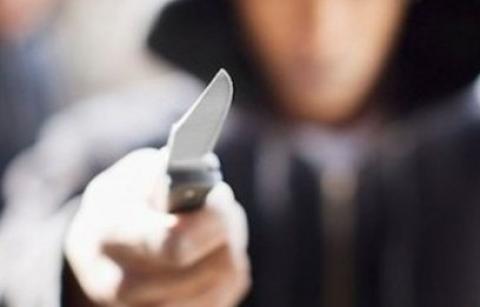
A related and much-debated topic is the carrying of objects such as knives. The blog clearly states that carrying a knife for self-defense is not a justified reason and can lead to criminal liability even if it was used in defense. The rules on carrying and using potentially dangerous instruments vary from country to country, but the general trend is to allow only the bare minimum necessary for protection and to severely restrict the use of blunt or sharp objects.
Any serious self-defense program must include knowledge of the law. In Italy, self-defense is only permitted if:
- the attack is unjustified;
- the reaction is necessary;
- the response is proportionate.
In Marco Safe&Fit coaching, this aspect is always integrated: defending yourself also means knowing when to stop.
Security Decree and new rules on knives
Recently, the Italian regulatory framework has been updated with the so-called “Security Decree 2025” and with the political and legal debate on self-defense. For those who practice self-defense—and for coaches who teach how to manage violence in a conscious way—it is essential to be aware of these updates.
Recent regulatory developments in Italy regarding security have also reignited attention on the issue of carrying and using knives, reaffirming a fundamental principle: for ordinary citizens, knives are not considered a legitimate self-defense tool, but rather an object that may only be carried for justified reasons (e.g., work requirements or specific activities). The new measures and the most recent case law reinforce controls and penalties related to the unjustified carrying of objects capable of causing harm, emphasizing that the use of a knife in a context of self-defense still exposes the user to significant criminal risks and a rigorous assessment of the proportionality of the reaction. For those who practice self-defense, this means that personal safety cannot be based on offensive tools, but must be based on prevention, risk management, disengagement techniques, and legal awareness: a responsible approach that is one of the pillars of the Marco Safe&Fit coaching method.
The Marco Safe&Fit Method: Self-Defense Applicable to Everyday Life
My work as a coach is based on a few key principles:
- Realism: no choreographed techniques or unrealistic promises;
- Progressiveness: everyone has different timescales and limits;
- Personalization: age, physique, experience, and context matter;
- Responsibility: personal safety and respect for consequences.
Whether you are a beginner or already have experience, the goal is to make you more confident, clear-headed, and independent.
Why Follow the Blog and Work with a Coach
The Marco Safe&Fit blog was not created to sell illusions, but to:
- disseminate accurate information about self-defense;
- stimulate critical thinking;
- help people make informed choices.
Combining reading with coaching means transforming information into concrete skills, adapted to your reality.
Athletic Training: The Often Underestimated Foundation
One aspect that is too often overlooked when discussing self-defense is athletic training. Techniques, strategies, and mental awareness are essential, but without an adequate physical foundation, they may not be applicable in real-life situations. The reality of an attack involves stress, sudden fatigue, loss of coordination, and the need to react quickly and effectively: without a trained body, even the best technical skills can be ineffective.
In my method, athletic training is not aimed at aesthetics or athletic performance for its own sake, but at martial functionality and personal safety. The goal is to develop a body capable of sustaining intense effort, maintaining clarity under stress, and supporting simple but effective movements. Training includes joint mobility, functional strength, specific endurance, and coordination, always adapted to the age, level, and goals of the student.
A good martial artist—and, even more so, a person who wants to be able to defend themselves—must be able to move fluidly, manage their balance, react quickly, and maintain control of their body even when tired. For this reason, in the Marco Safe&Fit blog, I dedicate a specific section to athletic training: because technique without adequate physical support remains theory, while a trained body makes every movement more effective, safe, and realistic.
The Root of the Method: Jeet Kune Do
My approach to self-defense is based on a specific methodology: Bruce Lee’s Jeet Kune Do. More than a rigid style, it is a guiding principle that focuses on effectiveness, simplicity, and adaptability. The fundamental idea is to eliminate the superfluous and retain only what really works in reality, without dogmatic constraints or unnecessary technicalities.
This means training not to perform perfect sequences in ideal conditions, but to react naturally, directly, and functionally in unpredictable contexts. Jeet Kune Do teaches us not to be prisoners of a fixed pattern, but to develop adaptability, timing, sensitivity to distance, and decision-making skills under pressure.
In my coaching method, these principles translate into:
- essential and applicable techniques;
- progressive and personalized training;
- integration between mind, body, and real context;
- rejection of choreographed or unrealistic solutions.
The root of Jeet Kune Do is therefore not a stylistic label, but an operational philosophy: be ready to adapt, react with simplicity, and always choose the most effective and responsible solution for your own safety.
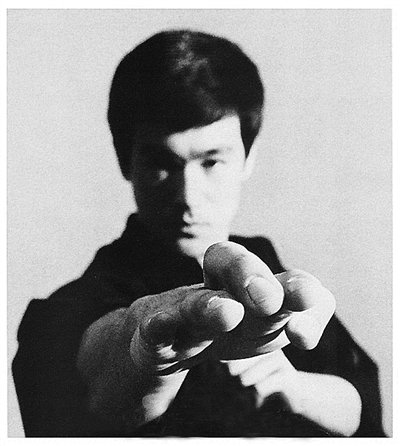
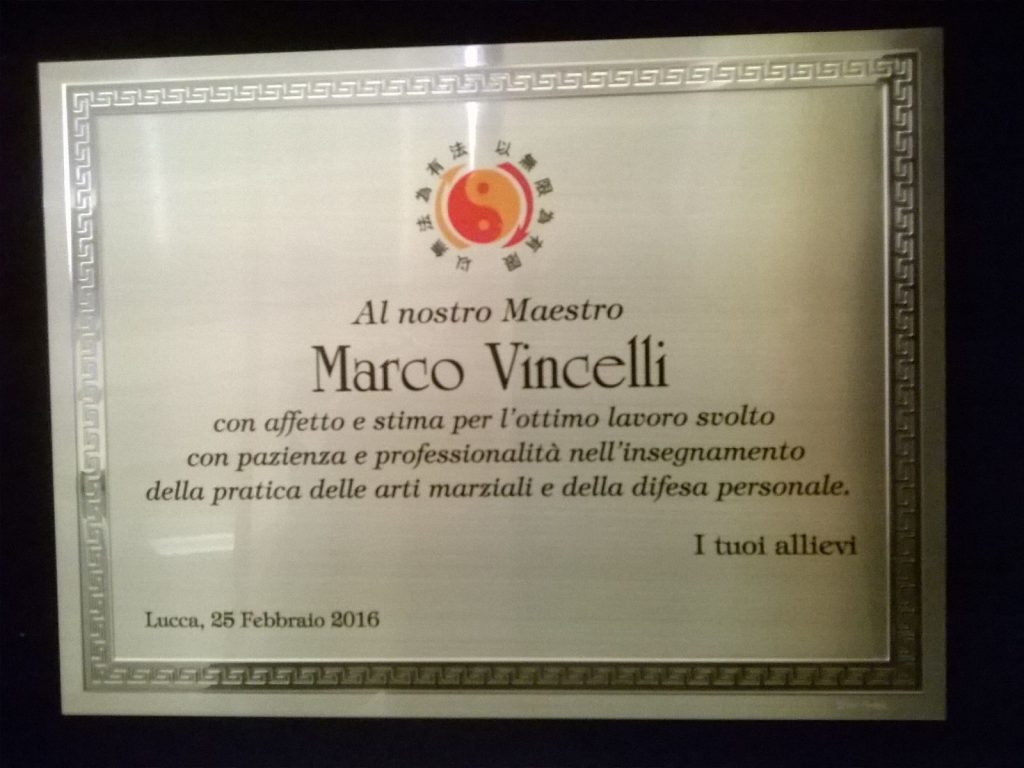
Personal experience and testimonials
A JeetKuneDo instructor since 1995, I have trained with first and second generation students.
I had the honor and pleasure of training at Taky Kimura’s Dojo in Seattle and at Master Richard Bustillo’s IMB in Los Angeles for instructor refresher courses.
Read here if you want to know more.
The Marco Safe&Fit blog hosts contributions from professionals and figures close to Bruce Lee, founder of JeetKuneDo, in this section.
Peter Chin, the last disciple
Peter Chin, one of Bruce Lee’s closest friends, one of the few to have received a certificate directly from Bruce Lee, and one of the pallbearers at Sijo Lee’s funeral.
Peter speaks candidly about his relationship with Bruce Lee, recounting intimate moments that reveal important characteristics of Sijo and the philosophy behind JKD Jeet Kune Do.
Doug Palmer, Friend and Big Brother
Doug Palmer was a student and close friend of Bruce Lee, particularly during Lee’s early years in Seattle. He was one of Lee’s youngest martial arts students and witnessed Lee’s development from his early training to his rise to fame.
Doug shared anecdotes about Bruce Lee’s life, philosophy, and fighting method.
Conclusion – Self-Defense as a Conscious Path and Applicable Method
Self-defense is not a set of techniques to be memorized, but a path of growth that involves the mind, body, and responsibility. Conflict psychology, athletic training, legal knowledge, and solid methodological roots must be integrated into a single coherent system.
This guide summarizes the philosophy that guides my work: a realistic, progressive, and personalized approach, far from easy promises and close to people’s concrete needs. The Marco Safe&Fit blog was created with this goal in mind: to offer serious content, stimulate critical thinking, and help distinguish between real self-defense and dangerous illusions.
If you want to turn this information into practical skills, the next step is a targeted coaching program, tailored to your physical characteristics, your daily context, and your personal safety goals. Real self-defense is not improvisation or spectacle: it is preparation, awareness, and method.




Great job on this piece, it’s clear and engaging. This
website has become one of my go-to resources.
This is a good article with helpful details. The site is
useful and user-friendly.